
Blog
Winter Respiratory Infections in Rabbits: Symptoms That Look Harmless

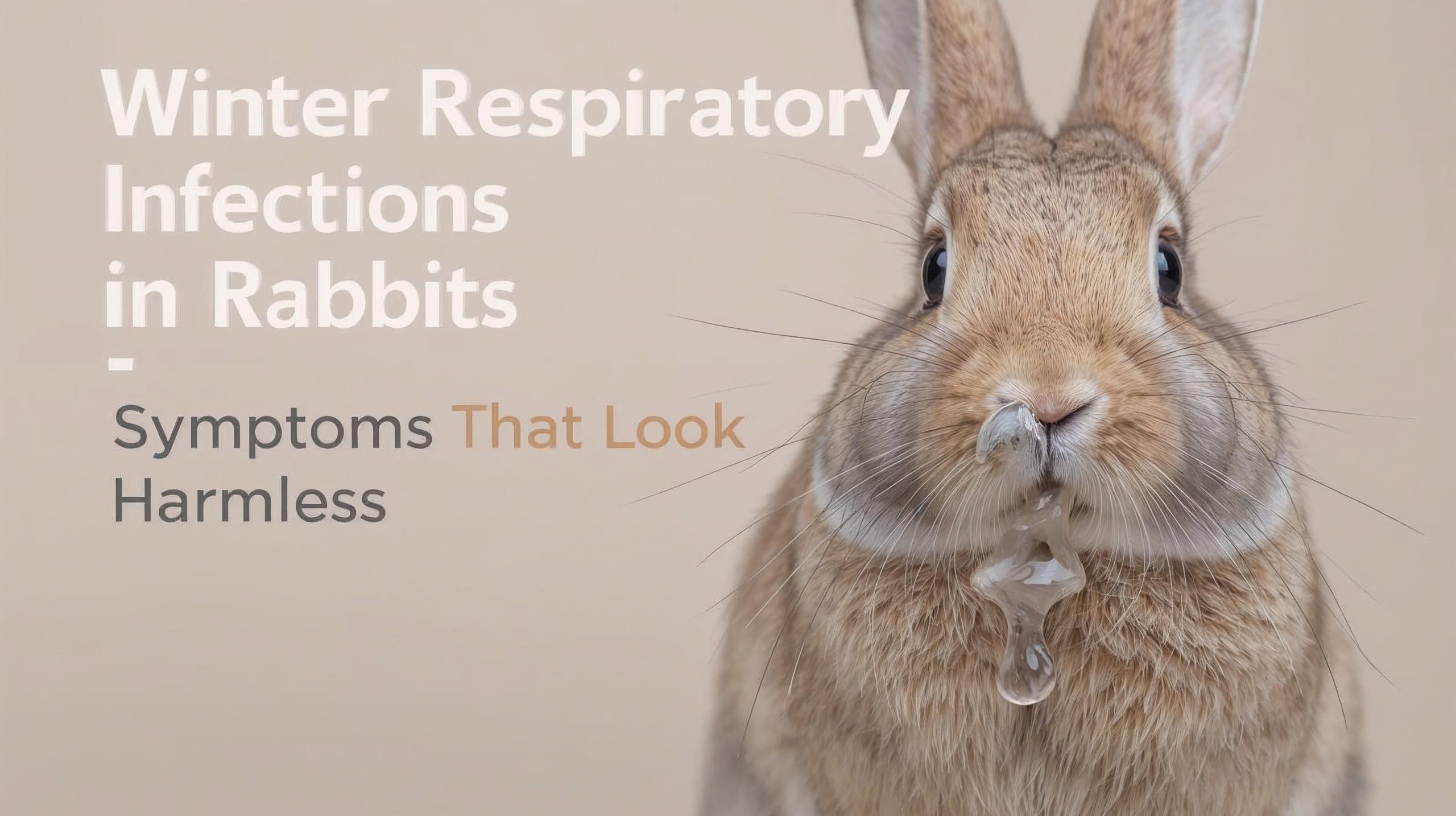
Many rabbit parents miss early respiratory infections because the signs look minor—a little sneezing, a wet nose, or quieter behavior. In winter, these “harmless” symptoms can quickly turn fatal if ignored.
Rabbits are prey animals. They hide illness instinctively. By the time breathing problems become obvious, the condition is often advanced.
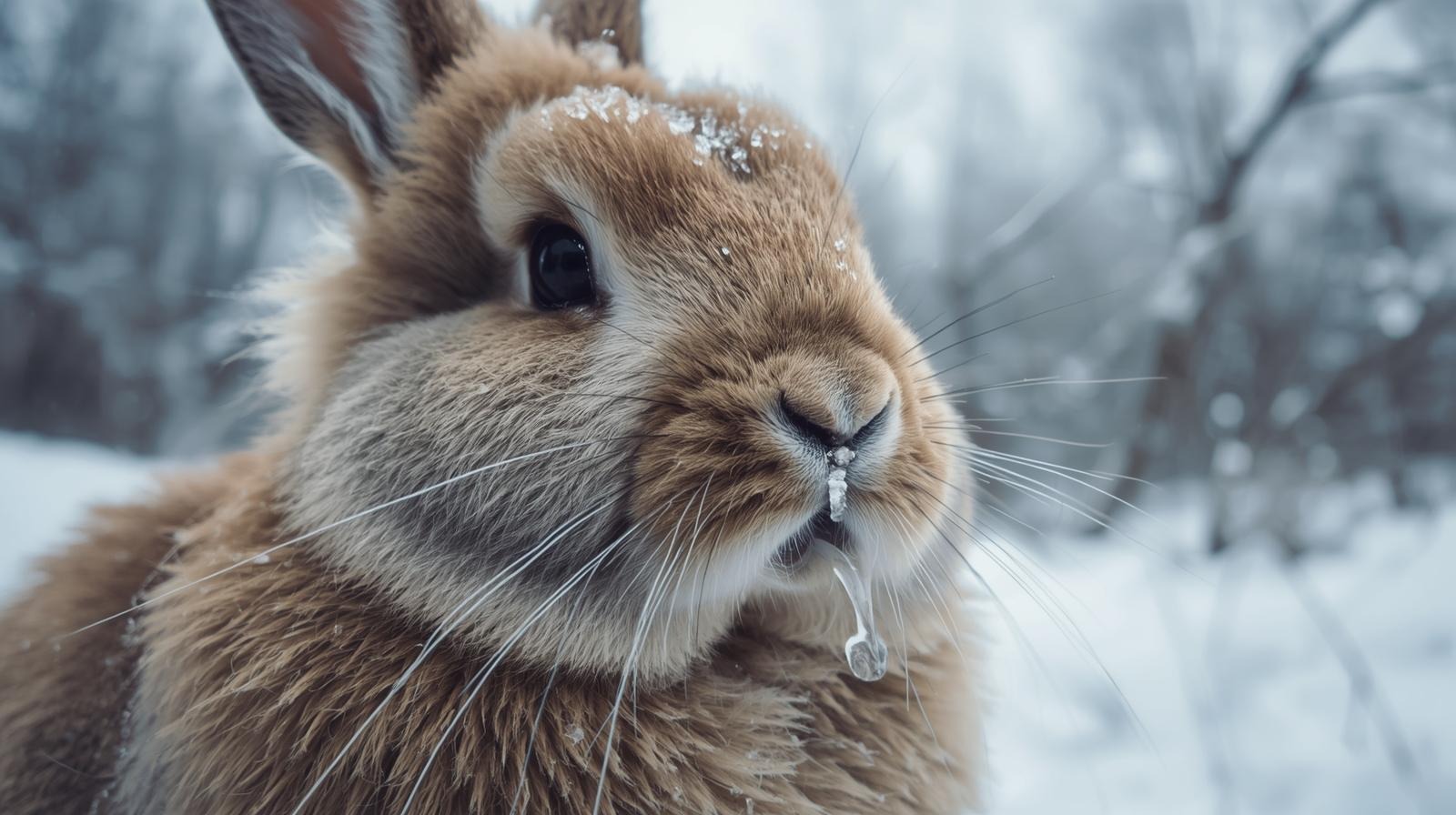
Why Winter Is Dangerous for Rabbits in India
Indian winters may not be snowy, but they are harsh for rabbits due to:
- Cold floors & tile surfaces
- Damp air and fog
- Poor ventilation in closed rooms
- Sudden temperature changes
Rabbits are extremely sensitive to respiratory pathogens like Pasteurella multocida, which thrives in cold, damp conditions.
Early Symptoms That Look Harmless
1. Occasional Sneezing
Many owners assume sneezing is due to dust or hay. In winter, it often indicates an upper respiratory infection.
2. Watery or Crusty Eyes
Eye discharge may seem minor but is often connected to blocked tear ducts caused by nasal infection.
3. Slightly Wet Nose
A rabbit’s nose should be dry. Persistent moisture is a warning sign.
4. Reduced Activity
Rabbits that sit hunched, move less, or avoid interaction are conserving energy due to illness.
Advanced & Dangerous Symptoms
- Laboured or noisy breathing
- Head tilting
- Loss of appetite
- Blue-tinged gums
- Open-mouth breathing (EMERGENCY)
Common Winter Respiratory Diseases in Rabbits
Snuffles (Pasteurellosis)
The most common and deadly respiratory disease in rabbits.
Pneumonia
Often develops when early snuffles go untreated.
Rhinitis
Chronic nasal inflammation that worsens in winter.
Why Home Remedies Are Dangerous
Steam therapy, antibiotics meant for dogs/cats, or delayed treatment can kill rabbits. Their digestive system shuts down under stress.
Never self-medicate rabbits.
Prevention Tips for Indian Rabbit Homes
- Keep rabbits indoors during winter nights
- Use raised bedding—not floor mats
- Avoid direct heater drafts
- Maintain clean, dust-free hay
- Ensure proper ventilation
When to Consult a Rabbit Vet Immediately
If your rabbit shows sneezing for more than 24 hours, nasal discharge, or appetite loss, book a consult immediately.
👉 Book an Online Rabbit Vet Consultation with MyFurries
FAQs
Can rabbits catch cold from humans?
No, but cold stress lowers immunity, making infections severe.
Are respiratory infections contagious?
Yes. Isolate affected rabbits immediately.