
Blog
The Ultimate Cat-Proofing Checklist for Indian Apartments- 2026 Guide


Turn your urban jungle into a feline-safe sanctuary.
Living in a high-rise in Mumbai, Bangalore, or Delhi offers great views, but for a cat, it presents a unique set of hazards. From the dreaded “High-Rise Syndrome” to the toxic plants we often keep for Vastu, an Indian home needs a specific type of cat-proofing.
Whether you are bringing home a new kitten or moving into a new flat, this guide ensures your home is a fortress of safety for your furry friend.
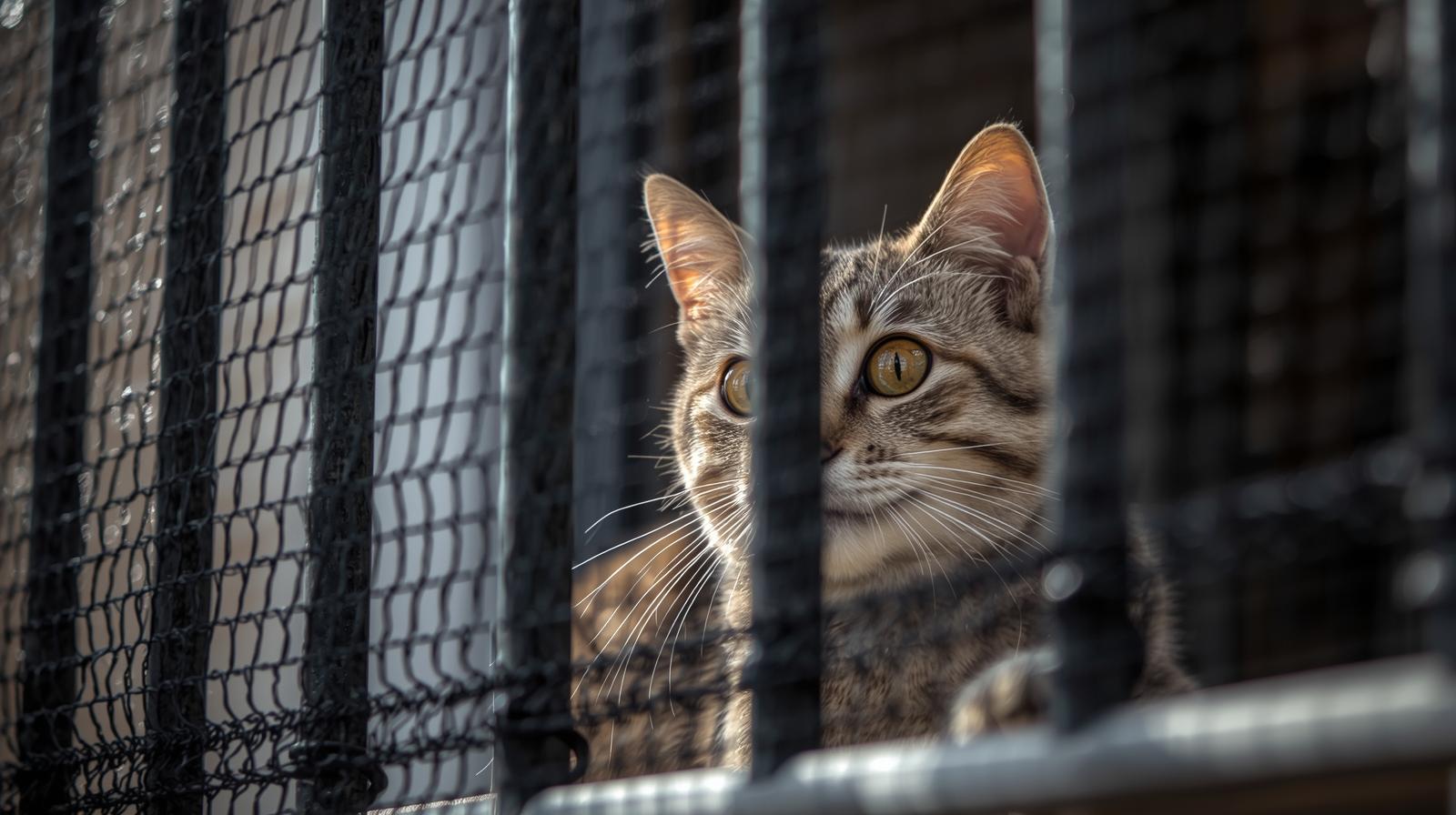
Section 1: The Balcony & Window Lockdown
- ✔ High-Quality Netting: Standard mosquito mesh isn’t enough. Install HDPE (High-Density Polyethylene) bird netting or “invisible grills” to prevent falls.
- ✔ Window Limiters: If you don’t have nets, use window stoppers that allow only a 2-inch gap—enough for air, too small for a cat head.
- ✔ Secure Screen Taps: Cats can push out loose screens. Ensure all mosquito frames are bolted or latched.
Section 2: The Toxic “Green” List
Many common Indian houseplants are “silent killers” for felines. Check your balcony for these:
- ✔ Remove Money Plants (Pothos): Causes intense oral irritation.
- ✔ Swap Aloe Vera: Great for us, but causes tremors and vomiting in cats.
- ✔ Ditch the Lilies: Even a tiny amount of pollen can cause fatal kidney failure.
- ✔ Safe Alternatives: Replace them with Areca Palms, Spider Plants, or Lemon Grass.
Section 3: Electrical & Appliance Safety
In many Indian apartments, wiring can be exposed or loosely managed. Cats love “spicy noodles” (wires).
- Cable Management: Use plastic wire looms or “cable boxes” for your TV and Wi-Fi router setup.
- AC Unit Gaps: Check the hole where the AC copper pipe goes out. If it’s not sealed with white cement or foam, kittens can climb inside the wall.
- The Washing Machine Rule: Always keep the door closed. Cats love to nap in the drum, which can be fatal if the machine is turned on without checking.
Section 4: Chemical & Kitchen Hazards
Indian kitchens often use strong spices and cleaning agents that are dangerous to cats.
- The “Phenyl” Problem: Many Indian floor cleaners contain phenols, which are toxic to cats. Switch to pet-safe, enzyme-based cleaners.
- Kitchen Counter Safety: Onion, garlic, and grapes are toxic. Never leave these on the counter where a jumping cat can find them.
- Dustbin Latches: Secure your “wet waste” bin. The smell of fish bones or chicken scraps is tempting but can cause choking or gut perforation.
Section 5: Bathroom Safety
The “Indian Bathroom” usually stays wet. This leads to two main risks:
- Bucket Drowning: Never leave a bucket full of water unattended. Kittens can fall in and may not be able to climb out.
- Toilet Lids: Keep them down to prevent ingestion of toilet cleaners like Harpic, which are highly corrosive.
Building a “Catio”?
Get professional design tips on how to create a safe outdoor space for your cat on your balcony.
Conclusion: Constant Vigilance
Cat-proofing is not a “one and done” task. As your cat grows or as you bring in new furniture/groceries, new hazards arise. By following this checklist, you are providing your cat with the freedom to explore their home without the risk of an emergency vet visit.