

Blog
Top Mistakes New Rabbit Owners Make & How to Avoid Them

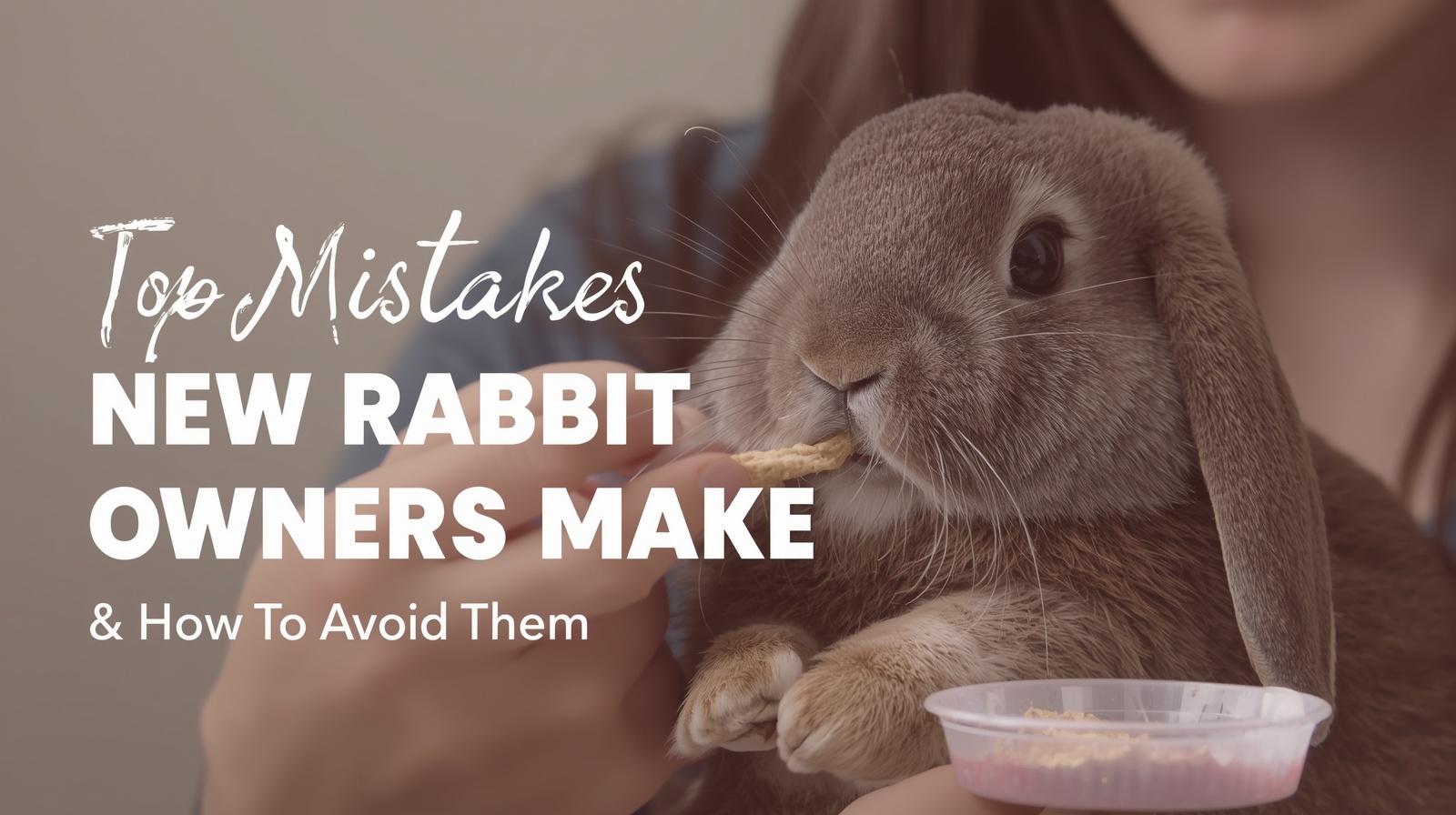
Rabbits are often “starter pets” for children or impulse buys during Easter. However, this perception couldn’t be further from the truth. Domestic rabbits are complex, sensitive, and high-maintenance companions that can live for over 10 years.
Because they are prey animals, rabbits are experts at hiding illness, and their specific needs are frequently misunderstood by first-time owners. To ensure your long-eared friend lives a vibrant life, we’ve compiled the ultimate guide to the top mistakes new rabbit owners make and how to fix them before they start.

1. Treating Hay as a Side Dish
If there is one thing you remember from this article, let it be this: Hay is not a snack; it is the main course.
Many new owners rely too heavily on colorful muesli mixes or pellets. In reality, a rabbit’s digestive system is designed to process high-fiber forage. Without constant access to grass hay (like Timothy or Orchard grass), rabbits face two life-threatening issues:
- GI Stasis: Their gut stops moving, which is a medical emergency.
- Dental Overgrowth: Rabbit teeth grow continuously. Only the grinding action of eating hay keeps them worn down.
The Fix: Ensure that 80% of your rabbit’s daily intake is fresh, high-quality hay. Pellets should be limited to about 1/4 cup per 6 lbs of body weight.
2. Underestimating the “Cage” Requirement
The “rabbit cages” sold in most commercial pet stores are woefully inadequate. A rabbit should be able to take at least three consecutive hops and stand fully on its hind legs without hitting the ceiling.
Keeping a rabbit in a small cage leads to “cage fever,” muscle atrophy, and behavioral aggression. Imagine living your entire life in a walk-in closet—you’d be grumpy too!
The Fix: Switch to an Exercise Pen (X-pen) meant for dogs, or better yet, “free-roam” your rabbit in a bunny-proofed room.
3. Ignoring the Importance of Spaying and Neutering
Many owners think that if they only have one rabbit, they don’t need to fix them. This is a dangerous misconception. Unspayed female rabbits have an 80% chance of developing uterine cancer by age 4.
Furthermore, hormonal rabbits can become destructive, spray urine to mark territory, and exhibit aggressive “lunging” behaviors. Neutering helps stabilize their mood and makes litter training significantly easier.

4. Buying a Rabbit for a Child (Without Supervision)
Rabbits have fragile skeletons. A child’s “hug” or an accidental drop can result in a broken back or fractured limbs. Additionally, rabbits are ground-dwelling creatures; they often feel terrified when picked up, as it mimics being caught by a predator.
The Fix: If you have children, teach them to interact with the rabbit on the floor. Let the bunny come to them.
5. Using the Wrong Litter
Not all litter is created equal. Clumping cat litter or cedar/pine shavings are toxic to rabbits.
| Safe Options | Dangerous Options |
|---|---|
| Paper-based pellets (e.g., Yesterday’s News) | Clumping Clay Cat Litter |
| Aspen shavings | Cedar or Untreated Pine shavings |
| Hemp bedding | Corn cob litter (choking hazard) |
6. Failing to “Bunny-Proof” the Home
Rabbits are natural-born chewers. To them, a spicy electrical cord looks exactly like a delicious root or vine.
The Fix: Use plastic cord protectors, lift furniture, and provide safe wooden chew toys.
7. Assuming They Are “Low-Maintenance”
Unlike cats, rabbits require daily socialization and cleaning.
8. Not Monitoring Poop
In the rabbit world, poop is the primary indicator of health.
9. Giving Too Many Carrots and Fruit
Carrots are extremely high in sugar and should be treated like candy.
10. Bathing Your Rabbit
You should never submerge a rabbit in water unless directed by a vet.
11. Using Punishment as Discipline
Rabbits do not understand punishment. Use positive reinforcement.
12. Not Having an Exotics Vet Ready
Most neighborhood vets specialize in cats and dogs. Rabbits require exotic specialists.
Conclusion: The Secret to a Happy Bunny
Owning a rabbit is a journey of patience and understanding.
Worried about your rabbit’s health or behavior?
Don’t wait for an emergency. Connect with a verified pet expert today.


